
Recovery After Surgery: What to Eat (and When) to Heal Faster
Dr. Chomba Chuma, MD & Founder
Founder, Velobiotics™
Discover essential nutrition for recovery after surgery. What to eat and when to fuel your body for faster healing and long-term health in our expert guide.
Surgery asks a lot of your body. Whether you've had a hip replaced, a gallbladder removed, or a more complex procedure, your tissues are working overtime to rebuild, your immune system is on high alert, and your digestive system may be slower than usual. What you eat in the days and weeks that follow isn't just a side detail — it's one of the most powerful tools you have to support that healing process.
Many people focus entirely on rest, pain management, and following their surgeon's wound-care instructions, which are all essential. But nutrition quietly shapes how quickly your strength returns, how well your incision closes, and even your mood during a vulnerable time. This guide walks through exactly what to eat after surgery, why it matters, and how to make it practical even when your appetite isn't cooperating.
Why Nutrition Matters as Much as Rest After Surgery
Think of your body after surgery as a construction site that needs materials delivered on schedule. Protein supplies the "bricks" for new tissue. Vitamin C and zinc act like supervisors, directing collagen production and immune defense. Without a steady supply of these raw materials, healing slows down, and the risk of complications like infection or poor wound closure can rise.
Research consistently links inadequate nutrition before and after surgery to longer hospital stays and slower functional recovery. One frequently cited paper in the journal Nutrients found that patients with poor nutritional status before surgery experienced significantly higher rates of post-operative complications than well-nourished patients.
"Malnutrition is one of the most under-recognized risk factors for poor surgical outcomes, yet it is also one of the most modifiable." — Weimann et al., ESPEN Guideline on Clinical Nutrition in Surgery
This is why many hospitals now use "pre-habilitation" nutrition protocols before planned surgeries, and why dietitians are increasingly part of post-operative care teams. Your gut also plays a surprisingly central role here, since nutrient absorption, immune signaling, and even inflammation levels are closely tied to the health of your digestive microbiome. We've explored this connection in more depth in our piece on post-surgery recovery and the gut microbiome, which is worth a read if you want the deeper science.
The bottom line: food is not an afterthought during recovery. It's part of the treatment plan, right alongside medication, rest, and movement.
The First 24-48 Hours: What to Eat Right After Surgery
Immediately after surgery, your digestive system is often the last system to "wake up," especially after general anesthesia. This is why most surgical teams start you on a cautious, step-by-step eating plan rather than a full meal right away.
Starting Slow: Clear Liquids First
In the first few hours, you'll typically be offered clear liquids such as:
- Water or ice chips
- Clear broth
- Weak tea
- Clear juices like apple or white grape juice
- Gelatin or clear electrolyte drinks
These are gentle on a digestive system that's still recovering from anesthesia and manipulation during surgery. They also help you stay hydrated, which supports kidney function and helps flush out anesthesia byproducts more efficiently.
Progressing to Soft, Easy-to-Digest Foods
Once clear liquids are tolerated without nausea, most patients move to a "full liquid" or soft diet. This stage might include:
- Yogurt (plain, without large chunks)
- Smooth soups
- Mashed potatoes
- Scrambled eggs
- Oatmeal or cream of wheat
- Protein shakes or meal replacements
This stage usually lasts a day or two but can be longer after abdominal or gastrointestinal surgery, where your surgeon may advise a more gradual approach. Always follow your specific surgical team's instructions here, since timelines vary significantly by procedure type.
"Early, appropriate nutrition after surgery is associated with reduced infection rates and shorter hospital stays, particularly when protein needs are met promptly." — Mayo Clinic, Nutrition and Healing After Surgery
If solid food still feels unappealing or difficult to manage, a well-formulated BioGain™ probiotic meal replacement can be a gentle way to get protein, calories, and probiotic support into your system without demanding much from a tired digestive tract. Many caregivers find this especially helpful in the first week home from the hospital.
Building Your Plate: The Core Nutrients Your Body Needs to Heal
Once you're back on solid food, the real work of "recovery eating" begins. Four nutrient categories matter most, and understanding them helps you build better meals without needing a nutrition degree.
Protein: The Repair Material
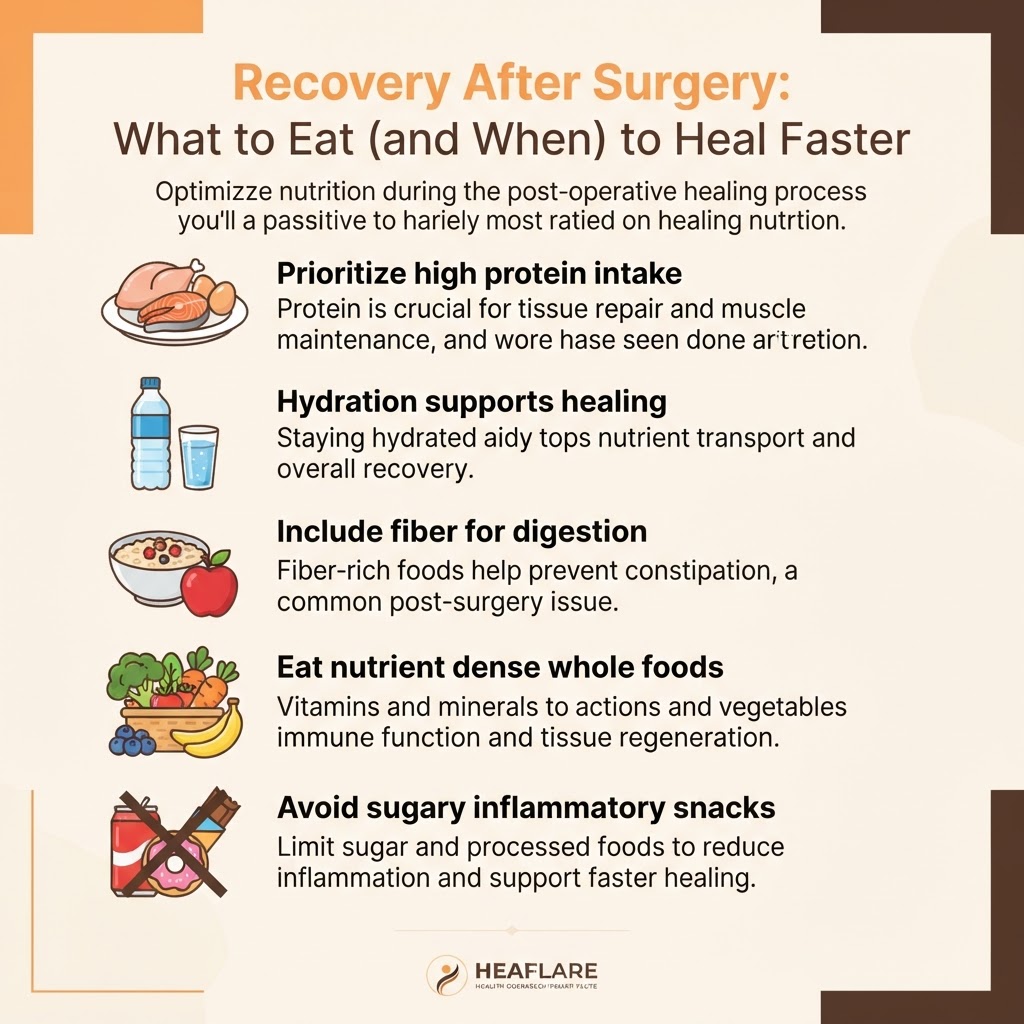
Protein is arguably the single most important nutrient after surgery. It supplies the amino acids needed to rebuild muscle, skin, and connective tissue, and it supports immune cell production. Many surgical patients need noticeably more protein than usual — often 1.2 to 2.0 grams per kilogram of body weight daily, depending on the procedure and your doctor's guidance.
Good sources include:
- Eggs
- Poultry, fish, and lean meats
- Greek yogurt and cottage cheese
- Beans, lentils, and tofu
- Protein-fortified shakes or meal replacements
If appetite is low, spreading protein across five or six small meals is often easier than trying to eat two or three large ones. Our guide on healthy weight gain for underweight or recovering individuals goes into more detail on structuring these smaller, nutrient-dense meals.
Vitamin C and Zinc: Collagen and Immune Support
Vitamin C is essential for collagen synthesis, the protein scaffold that holds wounds together as they heal. Zinc plays a similar supporting role in immune function and tissue repair. Citrus fruits, bell peppers, strawberries, and broccoli are excellent vitamin C sources, while zinc is found in meat, shellfish, pumpkin seeds, and legumes.
Fiber and Fluids: Keeping Things Moving
Pain medications, especially opioids, commonly cause constipation after surgery — a frustrating but very manageable issue. Fiber-rich foods like fruits, vegetables, oats, and whole grains, combined with plenty of water, help keep digestion comfortable during this period. Gentle movement, as outlined in our article on gentle exercise protocols for post-operative patients, also supports healthy digestion alongside diet.
Healthy Fats: Reducing Inflammation
Omega-3 fatty acids from fish, walnuts, and flaxseed are associated with lower inflammatory markers, which may support a smoother recovery process. These fats also help your body absorb fat-soluble vitamins like A, D, E, and K, which play their own roles in immune and tissue health.
Foods That Support Gut Health During Recovery
Surgery, anesthesia, and often antibiotics given before or after a procedure can disrupt the balance of bacteria living in your digestive tract. This matters more than most people realize, because your gut microbiome influences nutrient absorption, immune signaling, and even your mood during a stressful recovery period.
Why the Gut Matters So Much Post-Surgery
A disrupted microbiome can contribute to bloating, irregular digestion, and a sluggish immune response at exactly the time your body needs digestion and immunity working well. This is particularly relevant if you were given antibiotics as part of your surgical care, which is extremely common for infection control. Our detailed article on restoring your microbiome after antibiotics explains this process and practical steps to support it.
Fermented and Probiotic-Rich Foods
Gently reintroducing fermented foods once your digestive system is ready can help replenish beneficial bacteria. Good options include:
- Plain yogurt with live cultures
- Kefir
- Sauerkraut or kimchi (introduced gradually)
- Miso soup
- Probiotic supplements or fortified meal replacements, when solid fermented foods feel like too much too soon
BioGain™ was formulated with this exact gap in mind — many post-surgical patients struggle to eat enough fermented whole foods in early recovery, so a microencapsulated probiotic blend can offer convenient support without extra chewing or large meals.
Prebiotic Foods to Feed Good Bacteria
Probiotics need "food" to thrive, and that's where prebiotic fibers come in. Garlic, onions, bananas, oats, and asparagus are gentle, commonly tolerated options as your digestion stabilizes. For more structured ideas, our article on gut-healing recipes with real probiotic power offers simple meals you can prepare even on low-energy days.
"The gut microbiome's response to surgical stress can influence recovery trajectories, including inflammation and immune resilience." — National Institutes of Health, Human Microbiome Project research summary
Supporting your gut isn't a side project separate from "real" recovery nutrition — for many patients, it's central to how well the rest of the healing process unfolds.
Foods and Habits to Limit After Surgery
Just as important as what to add is what to scale back temporarily. None of these foods are "bad," but they can slow healing or worsen common post-surgical symptoms like bloating, nausea, or constipation.
Highly Processed and Sugary Foods
Diets high in added sugar and heavily processed ingredients are associated with higher inflammation markers in several studies. Since inflammation control is central to healing, it makes sense to lean toward whole foods during recovery, saving packaged snacks and sugary drinks for occasional treats rather than daily staples.
Alcohol
Alcohol can interact with pain medications, impair wound healing, and disrupt sleep — all things your body needs working well right now. Most surgical teams recommend avoiding alcohol for at least the first one to two weeks, or longer depending on your medications; always confirm the exact timeline with your care team.
Excess Sodium
Swelling is common after many procedures, and a high-sodium diet can make fluid retention more noticeable. Cutting back on processed meats, canned soups, and salty snacks can make a visible difference in comfort during the first couple of weeks.
Hard-to-Digest or Gas-Producing Foods (Early On)
In the first days after surgery, particularly abdominal surgery, very fibrous raw vegetables, carbonated drinks, and heavily fried foods can cause uncomfortable gas or bloating. These foods aren't off-limits forever — they're just worth reintroducing gradually as your digestion normalizes.
Special Considerations: Seniors, Caregivers, and Antibiotics
Not every recovery looks the same, and a few groups deserve extra attention when it comes to post-surgery eating.
Seniors: Protecting Muscle and Appetite
Older adults often experience a natural decline in appetite and a reduced ability to absorb certain nutrients, which can combine dangerously with the increased protein needs of surgical recovery. Muscle loss (sarcopenia) can accelerate quickly during a hospital stay or bed rest, making protein-rich, easy-to-eat foods especially important for this age group.
Caregivers can help by:
- Offering smaller, more frequent meals instead of three large ones
- Keeping high-protein snacks like yogurt, cheese, or boiled eggs easily accessible
- Using a trusted meal replacement when a senior struggles to finish solid meals
- Encouraging fluids throughout the day, since thirst signals often weaken with age
"Older surgical patients with adequate protein intake in the recovery period showed better preservation of lean muscle mass and functional independence." — World Health Organization, Guidelines on Nutrition for Older Persons
Caregivers: Supporting Without Overwhelming
If you're caring for someone post-surgery, your role in meal planning matters more than you might think. Simple strategies — prepping a few freezer meals in advance, keeping a stocked list of easy protein snacks, and watching for signs of poor appetite — can meaningfully smooth the recovery process. Our article on weight management and the gut microbiome offers useful background if the person you're caring for is also trying to maintain or rebuild healthy weight during recovery.
If You Were Given Antibiotics
Antibiotics are often necessary around surgery to reduce infection risk, but they can also disrupt gut bacteria balance, sometimes leading to digestive discomfort or a weakened sense of wellbeing. Supporting your gut with probiotic-rich foods or a quality supplement during and after an antibiotic course may help your microbiome recover its balance more comfortably. This connection between gut balance and mood is also explored in our piece on the gut-brain axis and mental clarity, which many patients find surprisingly relevant during recovery, when fatigue and low mood are common.
A Simple Sample Day of Post-Surgery Eating
To make this practical, here's an example of what a gentle, balanced recovery day might look like once you're past the clear-liquid stage and cleared for a soft, regular diet. Always adjust based on your surgeon's or dietitian's specific instructions.
- Morning: Scrambled eggs with a small side of soft fruit, plus water or herbal tea
- Mid-morning snack: Plain Greek yogurt with a drizzle of honey
- Lunch: Baked chicken or fish, mashed sweet potato, and well-cooked vegetables
- Afternoon snack: A protein-rich smoothie or meal replacement shake
- Dinner: Lentil or vegetable soup with soft whole-grain bread
- Evening: Herbal tea and a small handful of nuts, if tolerated
This structure keeps protein spread throughout the day, includes fiber for digestion, and leaves room for gut-supportive foods like yogurt without overwhelming a still-recovering appetite.
Your Next Step: Start Simple, Start Today
Recovery nutrition doesn't need to be complicated or perfect. The single most useful first step is simply making sure every meal and snack includes a source of protein, since this one habit supports tissue repair, immune strength, and energy more than almost anything else you can do with food.
If eating enough feels difficult right now — which is completely normal after surgery — a BioGain™ probiotic meal replacement can offer a gentle, nutrient-dense option that supports both your protein needs and your gut health in one simple step. It's designed specifically for moments like this, when your body needs support but your appetite isn't quite ready for full meals.
For ongoing guidance on recovery nutrition, gut health, and gentle movement as you heal, consider subscribing to the BioGain™ newsletter — it's a simple way to keep practical, evidence-based tips arriving right when you need them most.
This article is for general educational purposes and is not a substitute for personalized medical advice. Always follow the specific nutrition guidance provided by your surgeon or healthcare team.
Get gut-smart, one email at a time
Science made simple, practical tips and member-only offers from BioGain. No spam, unsubscribe anytime.
By subscribing you agree to receive emails from BioGain (Velobiotics). Unsubscribe in one click.
Dr. Chomba Chuma, MD & Founder
Dr. Chomba Chuma is a medical doctor and the founder of Velobiotics™ and BioGain™. With a passion for gut health, recovery medicine and evidence-based nutrition, he created BioGain™ to bring clinically effective probiotic science to people who need it most — those healing, rebuilding, and performing at their peak.
Ready to Start Your Journey?
BioGain™ delivers 1000x more live probiotics to your gut with Velobiotics™ microencapsulation technology.