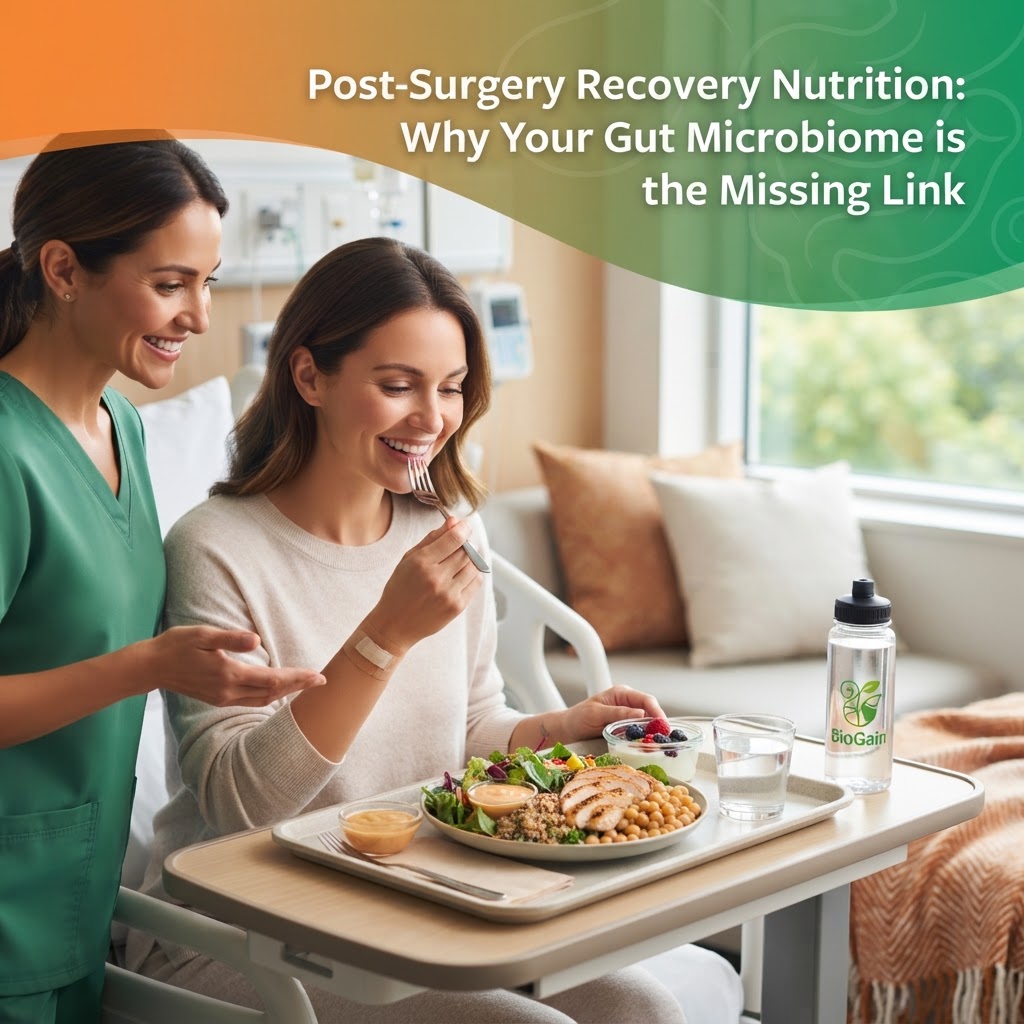
Post-Surgery Recovery Nutrition: Why Your Gut Microbiome is the Missing Link
Dr. Chomba Chuma, MD & Founder
Founder, Velobiotics™
Discover how your gut microbiome acts as the hidden architect of your healing process and learn how to optimize your post-surgery recovery through targeted nutritional strategies. Beyond just protein and rest, your inner ecosystem holds the key to reducing inflammation and accelerating your return to full health.
If you've recently undergone surgery, you've probably received a checklist of instructions: rest, manage your wound, attend follow-up appointments, and take your medications. But there's one critical factor that most surgical teams rarely discuss in depth — your gut microbiome. As a physician who has spent years researching the intersection of gut health and clinical recovery, I can tell you with confidence that what happens inside your digestive tract in the days and weeks following surgery can make or break your healing journey.
Post-surgery recovery is far more than stitches, pain management, and physiotherapy. It's a deeply biological process that depends on nutritional status, immune function, inflammation control, and the trillions of microorganisms living in your gut. In this article, I'll explain why surgical recovery nutrition must include a gut-focused strategy, what the science says, and what you can do today to accelerate your healing from the inside out.
What Happens to Your Body During and After Surgery
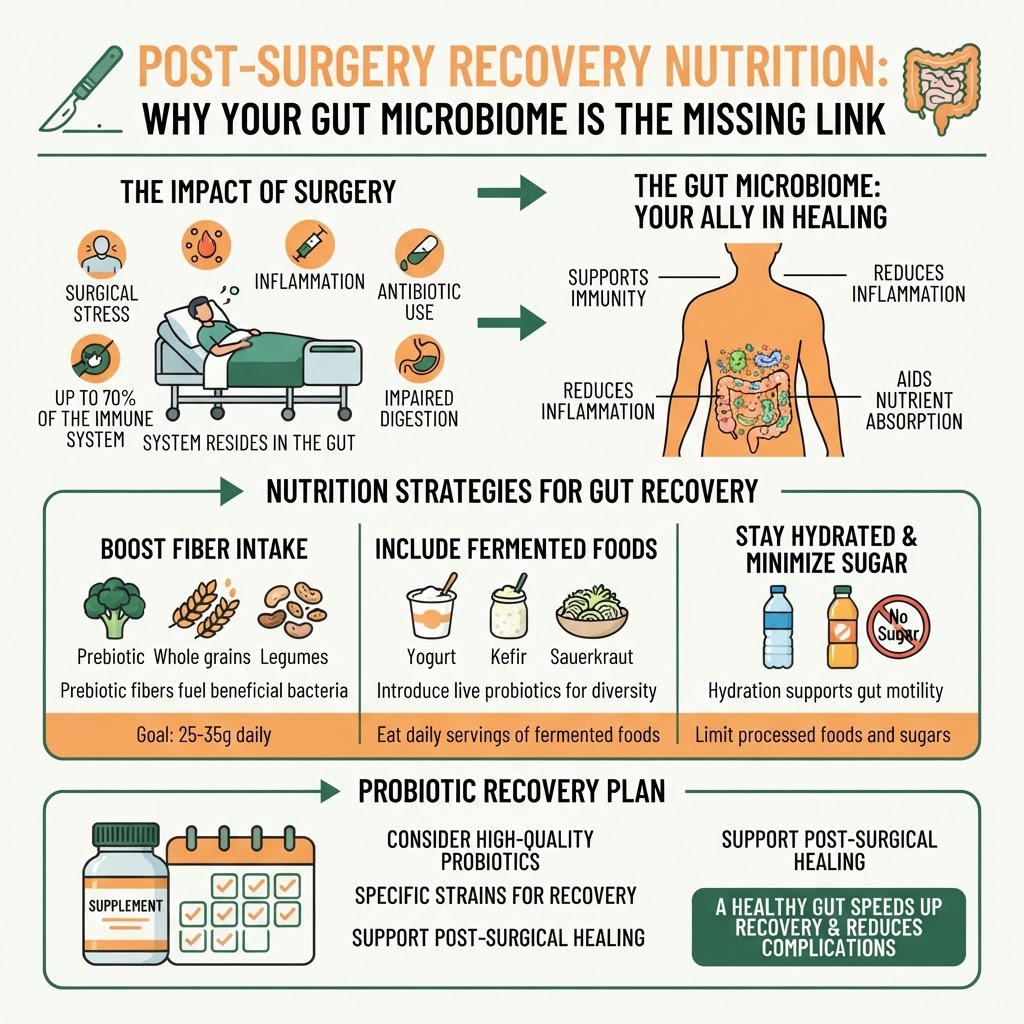
Surgery, regardless of its complexity, is a significant physiological stressor. Your body responds to surgical trauma the same way it responds to any major injury — with an acute inflammatory cascade, elevated cortisol levels, increased protein catabolism, and a suppressed immune response.
Here's what this means practically:
- Protein breakdown accelerates: Your muscles begin to break down to supply amino acids for tissue repair
- Caloric demands increase: Energy requirements can rise by 20–40% depending on the procedure
- Nutrient absorption declines: Stress hormones impair digestive function and nutrient uptake
- The immune system is compromised: Surgical trauma depletes key immune cells and disrupts immune signalling
What's less commonly discussed is that surgery also causes significant disruption to the gut microbiome — a phenomenon researchers call dysbiosis. Studies published in Critical Care Medicine have shown that post-surgical patients experience a measurable reduction in microbial diversity within 24 to 48 hours of a major procedure. This isn't a minor footnote — it has profound consequences for everything from wound healing to mental recovery.
The Gut Microbiome: Your Hidden Recovery Engine
Your gut is home to approximately 38 trillion microorganisms — bacteria, fungi, viruses, and archaea — that collectively outnumber your own human cells. This ecosystem, known as the gut microbiome, plays a central role in:
- Regulating immune function — approximately 70% of your immune system resides in gut-associated lymphoid tissue (GALT)
- Synthesising vitamins and nutrients — including B vitamins, vitamin K, and short-chain fatty acids critical for cellular repair
- Controlling inflammation — through signalling molecules that either promote or suppress inflammatory pathways
- Supporting the gut-brain axis — influencing mood, pain perception, and cognitive recovery
When surgery disrupts this microbiome, the downstream effects cascade through every system involved in healing. A compromised gut means a compromised immune system recovery, slower tissue repair, higher risk of post-surgical infections, and even prolonged hospital stays.
Research from the National Institutes of Health confirms that microbial diversity is a reliable predictor of post-surgical outcomes, particularly in colorectal, cardiac, and orthopaedic surgeries.
Why Standard Post-Surgery Diets Fall Short
The conventional post-operative dietary advice — clear liquids, then soft foods, then a gradual return to normal eating — is designed primarily to protect the gut physically as it heals. It is not designed to rebuild the microbiome or optimise surgical recovery nutrition at a cellular level.
Most standard hospital diets are:
- Low in prebiotic fibre — the food your good bacteria need to thrive
- High in simple carbohydrates — which feed harmful bacterial strains
- Insufficient in protein — often providing only 60–70% of post-surgical protein needs
- Devoid of probiotic-rich foods — fermented foods are often restricted due to infection concerns
- Low in polyphenols and antioxidants — micronutrients essential for inflammation control
This creates a vicious cycle. A depleted microbiome impairs nutrient absorption. Poor nutrient absorption slows healing. Slower healing increases the duration of inflammation. Prolonged inflammation further disrupts the microbiome.
Breaking this cycle requires a more sophisticated, gut-first approach to healing nutrition.
The Science Behind Probiotic Recovery After Surgery
The evidence for probiotic supplementation in post-surgical settings has grown substantially over the past decade. A landmark meta-analysis published in the Journal of the American Medical Association (JAMA) found that perioperative probiotic use significantly reduced:
- Surgical site infections
- Post-operative pneumonia
- Duration of antibiotic use
- Length of hospital stay
Probiotics work during recovery through several mechanisms:
1. Restoring Microbial Diversity
Targeted probiotic strains such as Lactobacillus rhamnosus, Bifidobacterium longum, and Lactobacillus acidophilus can help repopulate a depleted gut with beneficial bacteria, restoring the ecological balance disrupted by surgery and antibiotics.
2. Strengthening the Gut Barrier
Surgery and stress weaken the tight junctions of the intestinal epithelium — the physical barrier between your gut contents and your bloodstream. Beneficial bacteria produce short-chain fatty acids (especially butyrate) that repair and reinforce this barrier, reducing the risk of bacterial translocation and systemic infection.
3. Modulating the Immune Response
Probiotics directly interact with immune cells in the gut lining, calibrating the immune response — dampening excessive inflammation while maintaining adequate immune surveillance. This delicate balance is precisely what immune system recovery requires.
4. Enhancing Protein Absorption
A healthy microbiome improves the efficiency of protein digestion and amino acid absorption — directly supporting the muscle repair and tissue regeneration your body urgently needs after a procedure.
Surgical Recovery Nutrition: A Gut-First Framework
Based on both clinical evidence and my practice at Velobiotics™, here's the nutritional framework I recommend for patients entering post-surgery recovery:
Phase 1: Days 1–5 (Acute Recovery)
Focus on gentle gut nourishment and reducing inflammation.
- Bone broth and collagen-rich liquids (support gut lining integrity)
- Easily digestible proteins: eggs, white fish, tofu
- Anti-inflammatory foods: turmeric, ginger, green tea
- Hydration: minimum 2.5–3 litres per day to support kidney function and toxin clearance
- Begin low-dose probiotic supplementation if cleared by your surgical team
Phase 2: Days 6–21 (Active Healing)
Focus on rebuilding microbial diversity and increasing protein intake.
- Target 1.5–2.0g of protein per kilogram of body weight daily
- Introduce prebiotic foods: garlic, onions, leeks, asparagus, oats
- Add fermented foods if tolerated: kefir, yoghurt, kimchi (in small amounts)
- Increase fibre gradually to support microbial richness
- Consider a microencapsulated probiotic supplement for maximum gut delivery
Phase 3: Week 4 and Beyond (Functional Recovery)
Focus on restoring full nutritional status and physical resilience.
- Prioritise whole, colourful plant foods (polyphenols feed diverse bacterial species)
- Maintain consistent probiotic supplementation
- Gradually reintroduce resistance-based nutrition to support muscle rebuilding
- Monitor energy, mood, and digestion as biofeedback indicators of microbiome recovery
For patients in this longer phase of recovery looking to rebuild lean mass and strength, our Bulk-Up Plan offers a 30-day AI-powered meal plan that integrates gut-health principles with muscle gain targets.
Practical Tips: What You Can Do Right Now
Whether you're preparing for surgery or already in recovery, these actionable steps can meaningfully improve your outcomes:
- Talk to your surgeon before your procedure: Ask about perioperative nutrition protocols and whether probiotic supplementation is appropriate for your case
- Stop ultra-processed foods at least two weeks pre-surgery: These deplete microbial diversity before you even enter the operating theatre
- Request a dietitian referral: Surgical teams increasingly include nutrition specialists — advocate for yourself
- Avoid unnecessary antibiotics post-surgery: While antibiotics are sometimes essential, they are the most disruptive force to the gut microbiome. Ask about targeted, narrow-spectrum options where appropriate
- Use a recovery tracking tool: Monitoring symptoms, nutrition, sleep, and energy daily gives you actionable data. Our free Recovery App was designed specifically for post-surgery and recovery patients to do exactly this
- Choose a quality probiotic supplement: Not all probiotics survive the journey to your gut. Standard probiotic capsules can lose up to 99% of their viable bacteria before reaching the colon due to stomach acid degradation
That last point matters enormously. I developed BioGain™ through Velobiotics™ specifically to address this problem. Using our proprietary microencapsulation technology, BioGain™ delivers 1000x more live probiotic bacteria to the gut compared to standard formulations — meaning the strains that matter for recovery actually arrive where they're needed most.
Gut Health After Surgery: Common Mistakes to Avoid
Even well-intentioned patients make nutritional errors during recovery. Here are the most common ones I see in clinical practice:
Relying Solely on Protein Shakes
High-protein supplementation is important, but many commercial protein shakes lack the prebiotics, fibre, and micronutrient diversity needed to support gut health after surgery. A meal replacement that integrates probiotic delivery alongside macronutrient support is a far more effective strategy.
Ignoring the Microbiome During Antibiotic Courses
Many patients take their antibiotics, feel better, and move on — without realising that a course of broad-spectrum antibiotics can reduce gut bacterial diversity by up to 25% for months. Concurrent and post-antibiotic probiotic use is critical, though timing matters (take probiotics at least two hours apart from antibiotic doses).
Underestimating the Gut-Brain Connection
Post-surgical depression, anxiety, and cognitive fog — sometimes called "post-operative cognitive dysfunction" — are partly mediated by gut-brain axis disruption. Patients who support their microbiome during recovery consistently report better mood and mental clarity, not just faster physical healing.
Eating Too Little
In an effort to "rest the gut," many patients dramatically under-eat. Caloric restriction during active tissue repair is counterproductive and can extend recovery timelines significantly. Listen to your clinical team, but don't be afraid to advocate for adequate nutritional intake.
The Role of BioGain™ in Supporting Post-Surgical Recovery
I want to be transparent here: I created BioGain™ because I kept seeing patients who understood the importance of nutrition but struggled to execute on it during recovery — when fatigue, reduced appetite, and digestive sensitivity made eating well incredibly challenging.
BioGain™ was designed as a practical solution: a microencapsulated probiotic meal replacement that delivers high-quality protein, essential micronutrients, and clinically meaningful probiotic doses in a form that's gentle, palatable, and easy to consume even during the acute recovery phase.
You can learn more about the Velobiotics™ microencapsulation science that makes BioGain™ different on our science page, or explore the full product range on our product page.
The technology behind BioGain™ has been validated through third-party testing demonstrating that our microencapsulation method protects probiotic viability through gastric transit — the single biggest challenge in conventional probiotic delivery. For recovery patients, where every viable bacterium counts, this is not a trivial distinction.
What the Research Tells Us About Recovery Timelines
Patients who receive targeted gut-health support during surgical recovery consistently show measurable improvements across multiple outcome markers. A systematic review published in Nutrients (MDPI) examining probiotic use in surgical patients found:
- Reduced infectious complications in 73% of studies reviewed
- Faster return of bowel function — on average 18 hours sooner in probiotic groups
- Lower levels of systemic inflammatory markers (CRP and IL-6) at 7 days post-surgery
- Improved gut permeability scores compared to placebo groups
These are not marginal gains. For a patient recovering from abdominal surgery, hip replacement, or cardiac bypass, an 18-hour faster return of bowel function and significantly reduced infection risk translates into real-world improvements in quality of life, duration of hospitalisation, and long-term health outcomes.
The gut microbiome is not a wellness trend. It is a fundamental component of human physiology — and in the context of surgical recovery, it may well be the most underutilised tool we have.
Conclusion: Your Recovery Starts in the Gut
The science is clear, the clinical evidence is compelling, and the practical pathway is accessible. Post-surgery recovery is not simply about resting and waiting — it's an active biological process that responds profoundly to what you eat, how you support your microbiome, and how consistently you nourish your body with the right tools.
Your gut microbiome coordinates your immune defences, drives tissue regeneration, moderates inflammation, and even influences your mental recovery. Ignoring it during the most demanding healing period of your life is a missed opportunity that too many patients — and too many clinical protocols — continue to overlook.
The good news? Rebuilding your microbiome is entirely within your control. Start with a gut-first nutritional strategy, prioritise probiotic recovery alongside your other post-surgical protocols, and give your body what it actually needs to heal.
Ready to take the first step? Visit the Velobiotics™ hub to explore how BioGain™ and our full recovery ecosystem can support your healing journey. Download our free Recovery App to begin tracking your daily wellness and nutritional intake — it takes less than two minutes to set up and could meaningfully accelerate your path back to full health.
Your recovery deserves more than a checklist. It deserves a strategy built on science — and it starts in your gut.
Dr. Chomba Chuma, MD, is the Founder of BioGain™ and Velobiotics™, and a specialist in clinical nutrition, gut microbiome science, and functional recovery medicine.
Get gut-smart, one email at a time
Science made simple, practical tips and member-only offers from BioGain. No spam, unsubscribe anytime.
By subscribing you agree to receive emails from BioGain (Velobiotics). Unsubscribe in one click.
Dr. Chomba Chuma, MD & Founder
Dr. Chomba Chuma is a medical doctor and the founder of Velobiotics™ and BioGain™. With a passion for gut health, recovery medicine and evidence-based nutrition, he created BioGain™ to bring clinically effective probiotic science to people who need it most — those healing, rebuilding, and performing at their peak.
Ready to Start Your Journey?
BioGain™ delivers 1000x more live probiotics to your gut with Velobiotics™ microencapsulation technology.