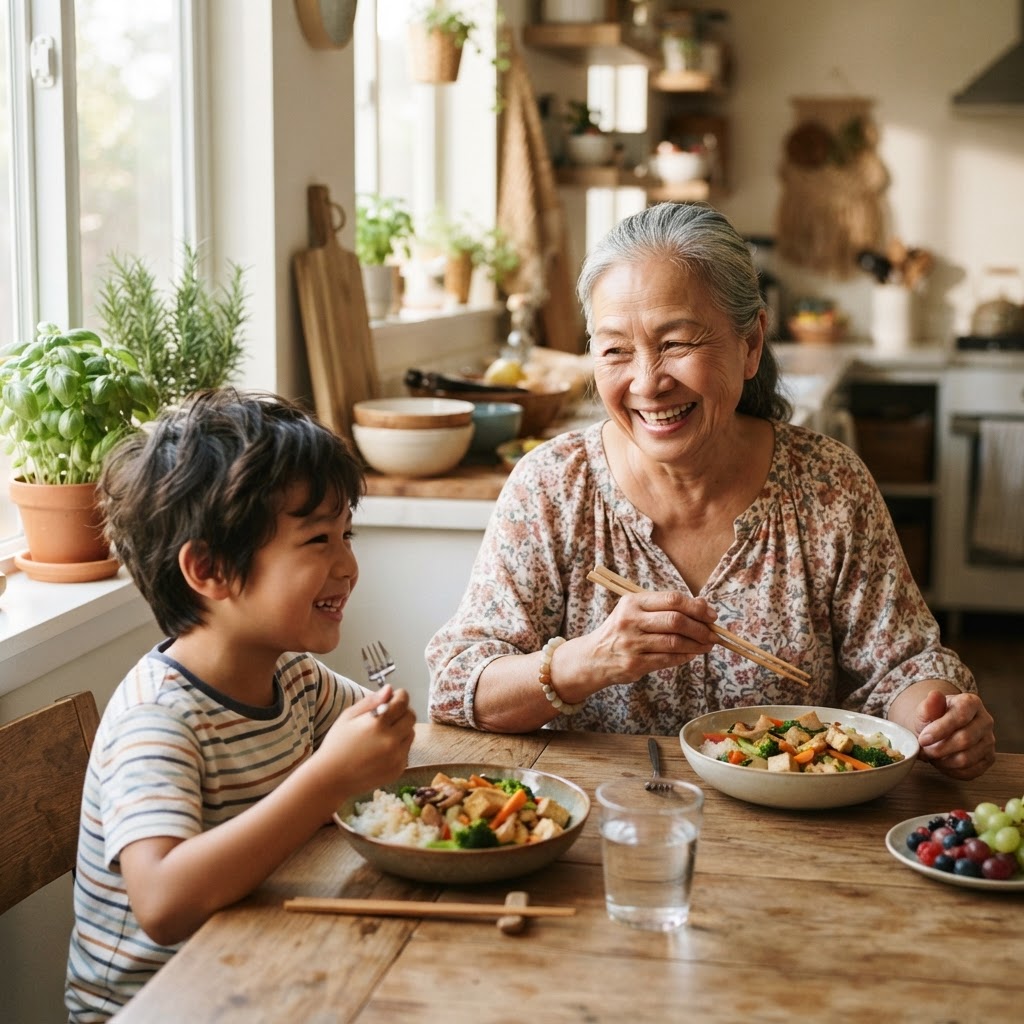
Weight Loss in Elderly: Causes and What Helps
Dr. Chomba Chuma, MD & Founder
Founder, Velobiotics™
Discover the main weight loss in elderly causes and what helps. Learn how to address nutritional needs and support healthy aging for your loved ones today.
Watching a parent or spouse lose weight without trying is unsettling. Loose-fitting clothes, a sunken face, less energy for the things they used to enjoy — these changes can creep up slowly, then suddenly feel urgent. If you're searching for answers, you're not alone, and this is a far more common concern than most families realize.
Unintentional weight loss in older adults is not something to simply watch and wait on. It is often the first visible sign of something deeper going on — in the body, the gut, or the mind. In this article, we'll walk through the real causes, why they matter, and what actually helps, based on current research and practical, compassionate care.
Why Unintentional Weight Loss in Seniors Is a Red Flag
A little weight fluctuation is normal at any age. But when an older adult loses more than 5% of their body weight within six to twelve months — without dieting or increased exercise — doctors consider this clinically significant. For a person weighing 70kg, that's roughly 3.5kg, which can show up quickly.
This matters because unintentional weight loss in seniors is strongly linked to poorer outcomes. It's associated with weaker immune function, slower wound healing, longer hospital stays, and a higher risk of falls and fractures. The muscle loss that often accompanies it — called sarcopenia — makes everyday tasks like climbing stairs or opening jars noticeably harder.
"Unintentional weight loss in older adults is an important indicator of underlying disease and is associated with increased morbidity and mortality." — National Institute on Aging, NIH
The tricky part is that weight loss in the elderly rarely has one single cause. It's usually a combination of physical changes, medical conditions, medications, and social or emotional factors — all layered on top of each other. Understanding these layers is the first step toward reversing the trend.
The Main Causes of Weight Loss in Elderly Adults
Let's break down the most common contributors, because the right solution depends heavily on the actual cause.
Reduced Appetite and Sensory Changes
Appetite naturally declines with age — a phenomenon researchers call "anorexia of aging." Hormones that signal hunger and fullness shift, so older adults often feel satisfied after eating much less food than before. On top of this, the senses of taste and smell weaken over time, making meals less appealing.
Dental problems compound this issue significantly. Missing teeth, poorly fitting dentures, or mouth pain can make chewing uncomfortable, pushing people toward smaller portions or softer, less nutrient-dense foods. Dry mouth, a common side effect of many medications, also makes eating and swallowing harder.
Underlying Medical Conditions
Several health conditions are strongly linked to unexplained weight loss, including:
- Thyroid disorders (particularly an overactive thyroid)
- Diabetes, especially when poorly controlled
- Chronic obstructive pulmonary disease (COPD) and heart failure
- Gastrointestinal issues like ulcers, reflux, or malabsorption
- Certain cancers, which can cause weight loss even before other symptoms appear
- Depression and cognitive decline, including early dementia
Medication Side Effects
Many seniors take multiple medications daily — a situation called polypharmacy. Several drug classes are known to blunt appetite or alter taste, including certain antidepressants, blood pressure medications, and diabetes drugs. Even over-the-counter supplements can interact and suppress hunger.
Recent courses of antibiotics deserve special mention here too. Antibiotics can disrupt the gut microbiome, leading to digestive discomfort, altered appetite, and poor nutrient absorption during recovery. If this sounds familiar, our guide on how to restore your gut after antibiotics walks through practical steps to support recovery.
Social and Psychological Factors
Eating is deeply social. Widowhood, isolation, limited mobility, or the loss of a cooking partner can all reduce motivation to prepare and eat proper meals. Depression, grief, and loneliness are among the most under-recognized causes of weight loss in older adults — and they're often missed during routine checkups.
"Social isolation and depression are among the most frequently overlooked contributors to malnutrition in community-dwelling older adults." — Mayo Clinic, Division of Geriatric Medicine
Financial constraints and reduced mobility can also limit access to fresh, nutritious food, especially for those who live alone or no longer drive.
How Weight Loss Affects Health and Recovery
Weight loss in seniors isn't just about appearance — it has real, measurable consequences on the body's ability to function and heal.
Muscle Loss and Frailty
When the body doesn't get enough calories or protein, it starts breaking down muscle tissue for energy. This accelerates sarcopenia, the age-related loss of muscle mass and strength. Less muscle means reduced balance, slower walking speed, and a significantly higher risk of falls.
Weakened Immune Defenses
Malnutrition directly impairs the immune system's ability to respond to infections. This becomes especially concerning during illness or after surgery, when the body needs extra reserves to heal. Research consistently shows that poor nutritional status before surgery is linked to longer recovery times and more complications.
If a loved one is preparing for or recovering from an operation, our article on recovery after surgery: what to eat and when offers a helpful, stage-by-stage approach.
Slower Wound Healing and Longer Recovery
Protein and micronutrients like zinc and vitamin C are essential building blocks for tissue repair. When intake drops, healing slows down — whether from a minor cut, a pressure sore, or a surgical incision. This can create a frustrating cycle: illness leads to weight loss, which then slows recovery from the illness itself.
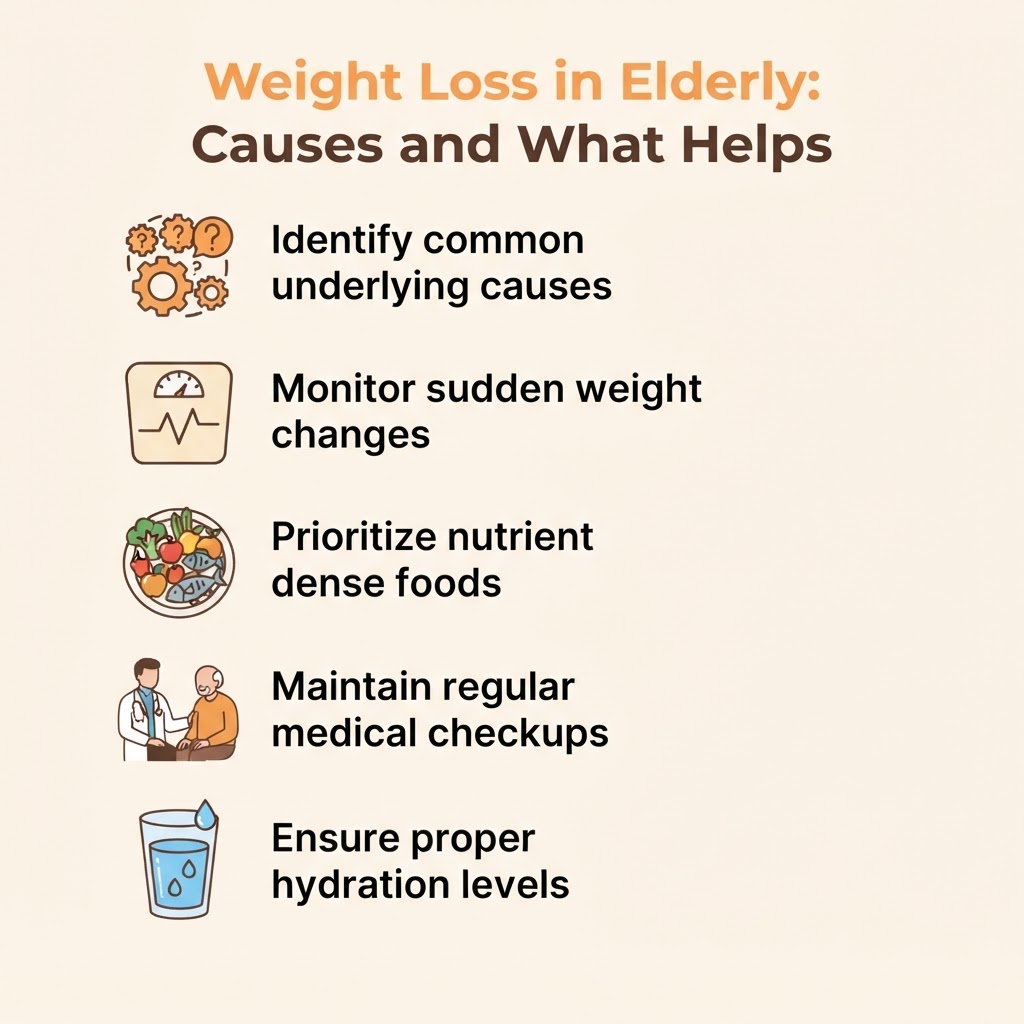
What Helps: Nutrition Strategies for Healthy Weight Gain in Seniors
The good news is that, in many cases, weight loss in older adults can be gently reversed with the right nutritional strategy. The goal isn't to force large meals, but to make every bite count.
Focus on Nutrient Density, Not Just Volume
Rather than pushing three large meals, many geriatric nutrition specialists recommend five or six small, nutrient-dense meals throughout the day. This reduces the pressure of eating a lot at once while still meeting daily calorie and protein needs. Good additions include:
- Full-fat dairy or fortified plant milks
- Nut butters, avocado, and healthy oils
- Eggs, soft cheeses, and well-cooked legumes
- Smoothies blended with protein, fruit, and healthy fats
Prioritize Protein for Muscle Preservation
Older adults generally need more protein per kilogram of body weight than younger adults to maintain muscle — yet they often eat less of it. Spreading protein intake evenly across the day, rather than loading it into one meal, appears to support muscle maintenance more effectively.
"Older adults should consume protein at each main meal to optimize muscle protein synthesis, rather than concentrating intake into a single meal." — PROT-AGE Study Group, Journal of the American Medical Directors Association
For those who find eating larger meals difficult, a BioGain™ probiotic meal replacement can offer a gentler way to get calories, quality protein, and gut-supportive probiotics in a single, easy-to-consume shake — without needing to chew through a full plate of food.
Support Appetite Naturally
Encouraging appetite doesn't always require medication. Light physical activity, like a short walk before meals, can genuinely stimulate hunger. Eating alongside others — family, friends, or community meal programs — also tends to increase intake naturally, simply because mealtime becomes more enjoyable.
For readers rebuilding strength gradually, our piece on gentle exercise protocols for post-operative patients offers safe movement ideas that pair well with improved appetite.
The Gut Connection: Why Digestion Matters More As We Age
Something many families overlook is how much the gut microbiome influences appetite, digestion, and nutrient absorption in later life. As we age, the diversity of beneficial gut bacteria naturally declines — and this shift has been linked to inflammation, reduced nutrient uptake, and even changes in mood and appetite signaling.
This connection becomes even more important after illness, hospital stays, or antibiotic courses, all of which can further disrupt gut bacteria. A disrupted microbiome may contribute to bloating, discomfort, or reduced hunger — making it harder to eat enough, even when someone wants to.
Supporting gut health with probiotic-rich foods or targeted supplementation may help ease digestive discomfort and support more consistent nutrient absorption. Our deeper dive into weight management and the microbiome explains this relationship in more detail, including why gut bacteria composition is now considered relevant to healthy weight regulation at any age.
Fermented foods like yoghurt, kefir, and miso are gentle, accessible options for many seniors. For those who struggle with portion size or digestive sensitivity, a BioGain™ probiotic meal replacement combines easily digestible calories with live probiotic strains, designed with recovery and gut comfort in mind.
Practical Tips for Caregivers
If you're caring for an older adult experiencing weight loss, small, consistent changes often matter more than dramatic interventions.
Make meals easier to manage:
- Offer smaller plates with more frequent servings
- Keep nutrient-dense snacks visible and within reach
- Use soft, moist foods if chewing or swallowing is difficult
- Try smoothies or shakes when solid food feels overwhelming
Address the environment around eating:
- Share meals together when possible — company encourages intake
- Reduce background noise or distractions that interrupt focus on eating
- Check that dentures, if used, fit comfortably
Track changes without becoming alarmist:
- Note weight roughly every two weeks, same scale, same time of day
- Keep a simple log of appetite, energy, and mood
- Share patterns with their doctor rather than isolated numbers
These steps are low-cost and low-pressure, but they add up meaningfully over weeks and months.
When to See a Doctor
While some weight loss can be addressed through nutrition and lifestyle adjustments, certain signs warrant prompt medical attention. Contact a healthcare provider if you notice:
- Weight loss greater than 5% of body weight in under six months
- Accompanying symptoms like persistent pain, fever, or changes in bowel habits
- Noticeable confusion, withdrawal, or signs of depression
- Difficulty swallowing or persistent nausea
- Weight loss following a recent antibiotic course, illness, or hospital stay
A doctor can rule out underlying conditions through blood tests, imaging, or a simple medication review — often the fastest route to identifying a fixable cause. According to the World Health Organization, malnutrition screening should be a routine part of care for older adults, particularly those with chronic conditions or recent hospitalizations.
"Early identification of malnutrition risk allows for timely intervention, which can significantly improve clinical outcomes in older populations." — World Health Organization, Guidelines on Integrated Care for Older People
Don't wait for a crisis point. Even a single conversation with a healthcare provider can set the right nutritional plan in motion.
Your Next Step Toward Healthier Weight and Energy
If someone you love is losing weight without explanation, the simplest first step is this: start tracking what and how much they're actually eating over the next few days. This small habit often reveals patterns — skipped meals, low protein intake, or digestive discomfort — that point directly to practical solutions.
From there, consider introducing small, nutrient-dense additions to their routine, like a daily BioGain™ probiotic meal replacement, which is formulated to support gentle, consistent nourishment alongside gut health — especially helpful during recovery periods or when appetite is low.
Weight loss in older adults is common, but it is rarely something to simply accept as "just aging." With the right combination of attention, nutrition, and medical guidance, meaningful improvement is often within reach.
Want more practical, research-backed guidance on senior nutrition and recovery delivered straight to your inbox? Subscribe to the BioGain™ newsletter for ongoing tips, caregiver resources, and the latest science on healthy aging.
Get gut-smart, one email at a time
Science made simple, practical tips and member-only offers from BioGain. No spam, unsubscribe anytime.
By subscribing you agree to receive emails from BioGain (Velobiotics). Unsubscribe in one click.
Dr. Chomba Chuma, MD & Founder
Dr. Chomba Chuma is a medical doctor and the founder of Velobiotics™ and BioGain™. With a passion for gut health, recovery medicine and evidence-based nutrition, he created BioGain™ to bring clinically effective probiotic science to people who need it most — those healing, rebuilding, and performing at their peak.
Ready to Start Your Journey?
BioGain™ delivers 1000x more live probiotics to your gut with Velobiotics™ microencapsulation technology.